
Termite Treatment in Dubai: How It Works Step by Step
Quick answer
Termite treatment starts with an inspection, then uses a method matched to what is found: a soil barrier, bait stations, direct treatment of affected timber, or a combination. Follow-up checks confirm whether activity has stopped. Ask for the method, safety instructions, follow-up plan and any guarantee in writing.
On this page
The short answer
Termite treatment is not a single spray. It is a process: an inspection to work out what you have and where it is coming from, a method chosen to match the findings, careful application, and follow-up to check whether activity has stopped. This guide explains each stage in plain terms so you can judge a proposal, ask sensible questions and understand what you are agreeing to. It does not give prices, because a quote depends on the property and the findings.
If you are still working out whether you have termites, start with signs of termites in Dubai homes. The service page is termite control in Dubai.
Stage 1: inspection
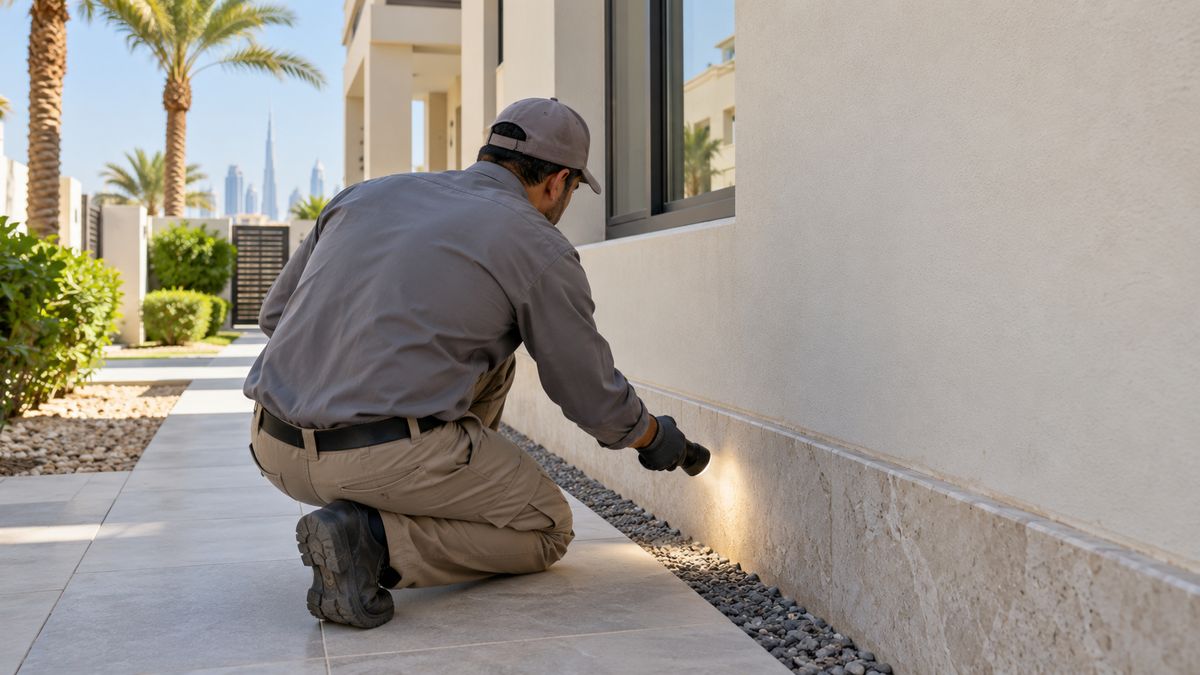
Nothing sensible happens before the inspection. The technician asks about what you have seen and when, past treatments, leaks, renovations and landscaping, then checks:
- Foundation edges and external walls, including garden beds and irrigation lines against them.
- Pipe and cable entry points.
- Door frames, windows, skirting boards, built-in wardrobes and kitchen units.
- Roof voids and timber structures where accessible.
- Garden timber, stored cardboard and anything resting against walls.
Timber is tapped and probed, and conditions such as damp soil and leaks are noted. The outcome should be a plain explanation of whether termites are active, where they appear to be entering and how far the activity seems to extend, with a recommended method. A firm price for a villa without an inspection should make you cautious. You can help the inspection by following our advice on what to do before it, such as leaving mud tubes alone and taking dated photos.
Stage 2: choosing the method
Which method is used depends on what the inspection finds, the construction and ground surface and the practical constraints, such as paving, pools and tanks.
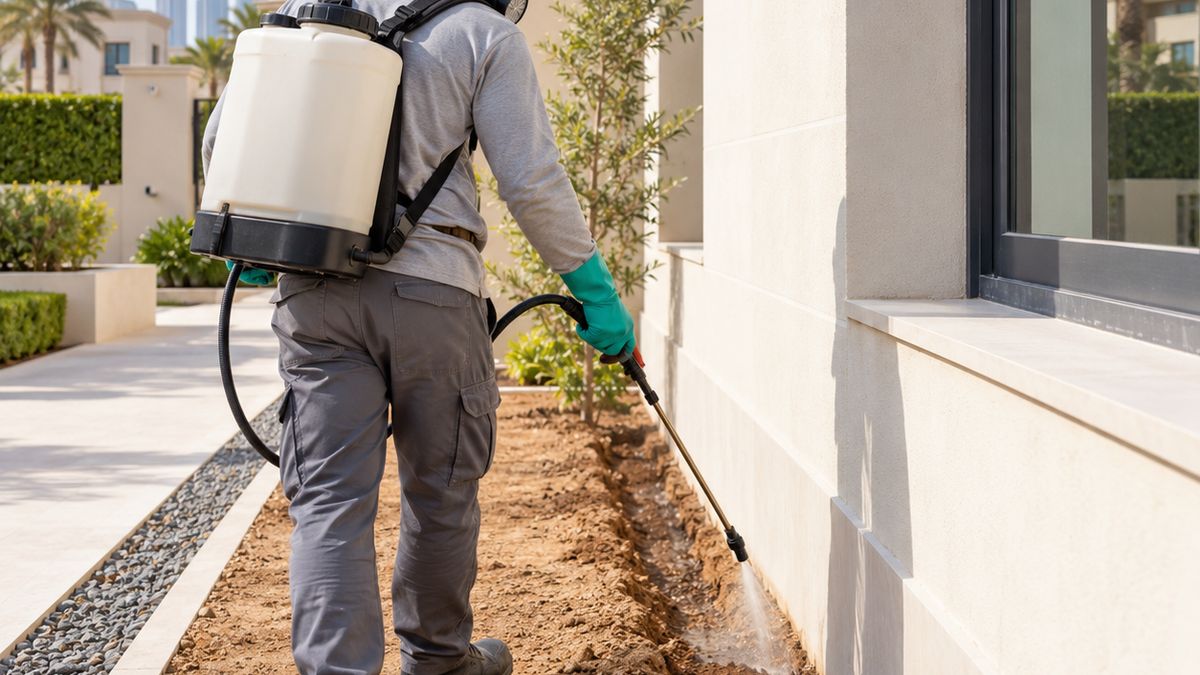
Soil barrier treatment. A treated zone in the soil along walls or around the foundation. Depending on the ground, this may involve trenching or drilling and injecting along the perimeter, including through paving or hard surfaces. Termites crossing the zone come into contact with the product.
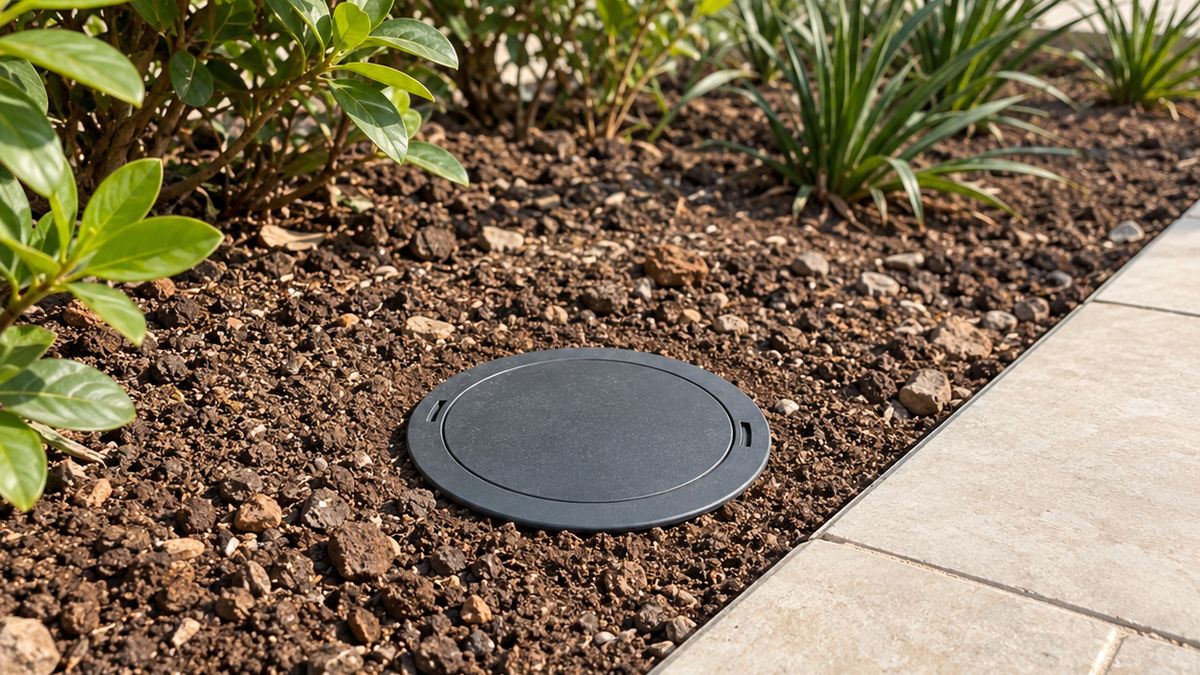
Baiting systems. Stations are placed in the ground around the property. Termites feed on the bait and carry it back to the colony. Baiting is generally slower and relies on monitoring, but it can suit places where drilling or soil treatment is difficult.
Direct timber treatment. Treatment applied to or injected into affected door frames, skirting boards, built-in joinery or other timber.
Entry-point and spot treatment. Mud tubes cleared as advised and the surface or gap treated, for example at pipe entries.
Combinations. Many villas need more than one: treat the soil, treat the affected timber and then monitor. A technician should be able to explain why a particular combination fits your house instead of describing a standard package.
Stage 3: the treatment visit
Ask in advance:
- How long will it take, and over how many visits? It depends on the villa size, perimeter and method.
- What product is being used? Ask for the name and its safety data sheet.
- Do we need to be out, and for how long? Get a specific answer for your method.
- How will tanks, pools, wells, irrigation and edible plants be protected? This matters in villas, where treatment may be close to all of them.
- What access is needed? Gates, garden access, garage, maid’s room and annexes. In gated communities, a gate pass or contractor rules may apply.
- What happens if the problem is bigger than expected on the day? A written answer prevents most disputes.
On the day, tell the technician about children, pets, pregnancy, asthma or allergies and about any previous treatment, and follow the preparation advice. Our guide to preparing for pest control treatment lists general steps and the extra ones for termites.
Stage 4: after treatment
- Do not disturb treated soil or barrier zones for the period advised. Avoid digging or heavy watering at the base of walls.
- Leave mud tubes if the technician asks, since it helps show whether activity stops.
- Follow re-entry and ventilation advice.
- Fix moisture sources: leaks, irrigation against walls, condensate lines, poor drainage. Termites favour damp conditions, and treatment does not fix wet soil.
- Keep cardboard, paper and timber away from walls.
- Keep records: the product used, the dates, the areas treated and any written guarantee.
Stage 5: follow-up and monitoring
A quiet few days is not proof that the problem has gone. Follow-up usually means re-inspection at intervals the technician sets, and monitoring if bait stations were used. Ask for dates and what is checked each time. Record any new signs with dated photos, and report them early rather than waiting until the next scheduled visit.
If activity continues, ask what the plan is: re-treatment, a different method or extra work in specific areas, and whether it is included or charged separately. That conversation is better had before you sign.
Repairs and moisture are separate jobs
Treatment stops the colony; it does not replace eaten timber, mend leaks or waterproof foundations. Repairs are best done after treatment, once the technician is satisfied that activity has stopped. Villa maintenance can coordinate joinery, plaster and paint repairs, and if a leak is part of the story, see common plumbing problems in Dubai villas for the usual causes.
What affects the cost
We do not publish a price, because quotes follow the findings. The usual factors:
- Villa size and number of floors.
- Method: soil barrier, baiting, timber treatment or a combination.
- Extent of activity and damage found at inspection.
- Perimeter length and ground surfaces that need drilling.
- Number of follow-up visits.
- Access arrangements.
Compare quotes on scope, not only on the total: what is treated, what method, how many visits and what follow-up. Our guide to pest control prices in Dubai explains how.
Questions to ask before agreeing
- What did the inspection find, and where are termites entering?
- Which method are you proposing, and why this one?
- What product, and can I see its safety information?
- How long will it take, and when do I need to be out?
- How are tanks, pools and plants protected?
- What follow-up is planned, with dates?
- What does the written guarantee say, if any, and what must I do to keep it valid?
- What is excluded, such as repairs and moisture work?
- Can the provider show current municipality approval? You are entitled to ask.
A word on guarantees and promises
Be careful with promises of a termite-free home. A written guarantee should state what is covered, for how long and what you must do, such as annual inspections. Conditions often matter as much as the headline. If you cannot get it in writing, do not pay extra for it. Also read the exclusions in any villa maintenance contract, because pest control is commonly excluded, as covered in our guide to what a villa AMC includes.
Getting started
Send dated photos, the community and villa type, the rooms and walls affected and your history of leaks or works. We coordinate a partner technician to inspect first and explain the findings, method and follow-up before treatment starts. For general pests, see pest control in Dubai.
Frequently asked questions
- How is termite treatment done in a villa?
- After an inspection finds where termites are active, the technician proposes a method. That may be treating the soil around the foundation, placing bait stations, treating affected timber directly, treating entry points, or a combination. Follow-up checks are planned afterwards to see whether the activity has stopped.
- What is the difference between a soil barrier and baiting?
- A soil barrier is a treated zone in the ground around the building that termites crossing it come into contact with. Baiting places stations in the soil that termites feed on and carry back to the colony. Baiting is generally slower and is used where drilling or soil treatment is difficult. Which suits a villa depends on findings.
- Do I have to leave my home during termite treatment?
- It depends on the method and product. Some work is done outside or in limited areas, while other work may need you out for a period. Ask the technician exactly when you must be out, when you can re-enter and how pets, water tanks, pools and edible plants will be protected.
- Is termite treatment safe for children and pets?
- Products are meant for use around homes when applied correctly, but safety depends on the product, the method and following instructions. Tell the technician about children, pets, anyone pregnant or with asthma, ask for the product name and its safety data sheet and follow the re-entry advice.
- Will one treatment get rid of termites?
- Not necessarily, and nobody can honestly promise it without seeing the property. Treatment aims to stop activity, but colonies can be large or widespread, and moisture conditions may let termites return. That is why follow-up checks matter. Ask what the plan is if activity continues after treatment.
- Does termite treatment repair the damage?
- No. Treatment deals with the termites, not the timber they have damaged. Damaged joinery, skirting, frames and finishes need separate repair, and it is usually better done after the treatment, once activity has stopped. Moisture sources such as leaks also need fixing separately.
- What should a written termite guarantee say?
- It should name the areas and timber covered, the duration, what is excluded and what you must do to keep it valid, such as annual inspections and fixing leaks. A vague promise of a termite-free home is not something anyone can support. If a guarantee is not in writing, do not rely on it.
- Can I do termite treatment myself?
- Surface sprays from a shop reach only the termites they touch, while the colony is in the soil or the timber. Effective control needs inspection to find the entry points and a barrier, bait or timber treatment applied by a technician. Spraying first can also make it harder to see where activity is.
Read next
Related services
Need this sorted rather than researched?
Send a WhatsApp message with what you are seeing and we will come back with a quote.