AC Maintenance in Dubai — Same-Day Servicing
Dubai's heat pushes air conditioning systems harder than almost anywhere else, and a skipped service call is usually why a unit fails on the hottest day of the year. Every booking covers the full system, not just a quick filter wipe.

What routine AC maintenance covers
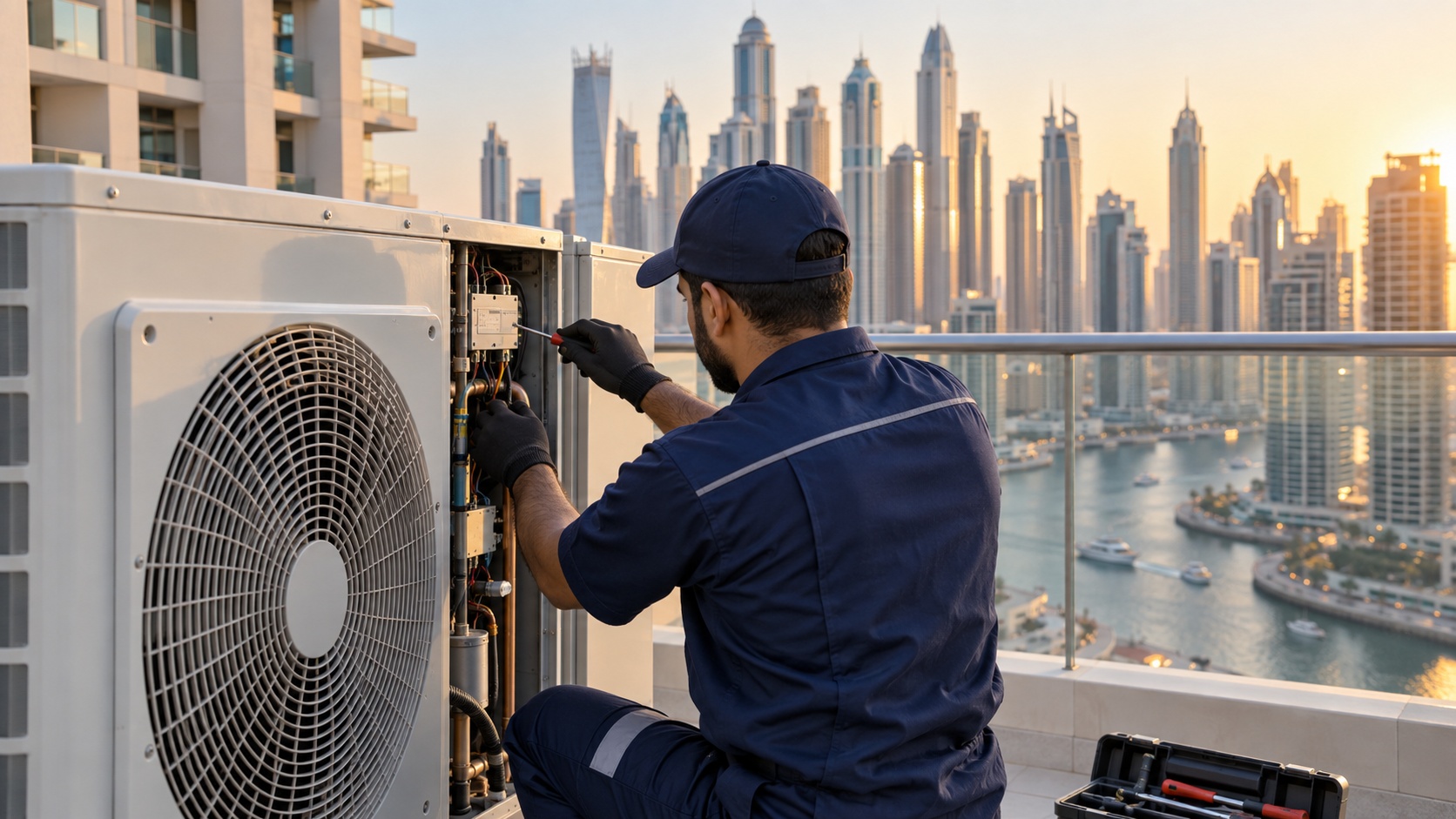
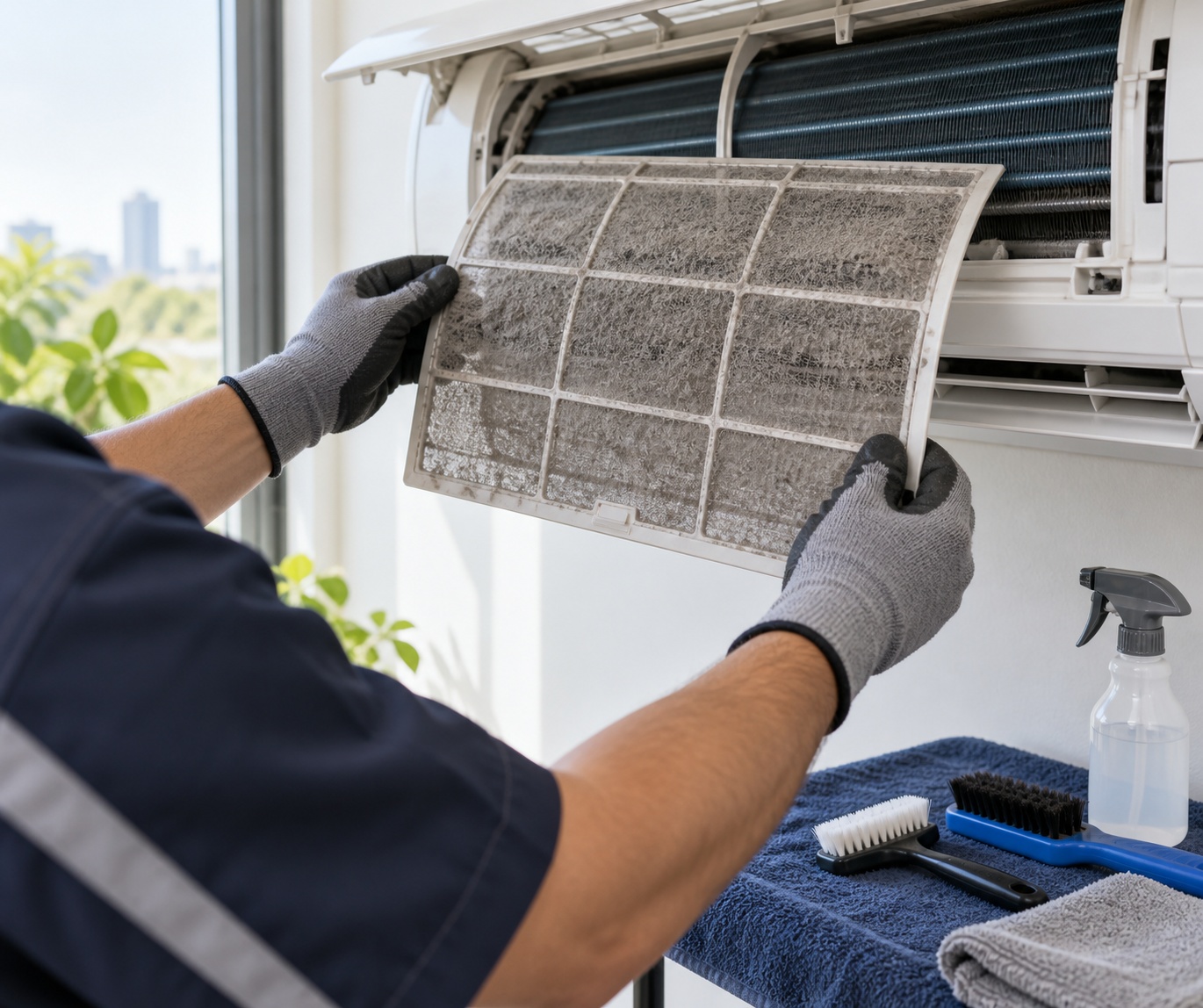
A proper AC maintenance visit goes well beyond wiping down a filter. The technician we dispatch for your job cleans or replaces filters, flushes the indoor and outdoor coils, checks refrigerant gas levels and tops up where needed, inspects drainage lines for blockages, and tests the compressor and thermostat response. Each of these steps addresses a specific failure point that shows up again and again in Dubai’s climate — clogged coils lose cooling efficiency, low gas levels force compressors to overwork, and blocked drains lead to water leaks inside the unit.
What’s included in a routine service, step by step
Here is what a technician actually does during a standard visit, and why each step matters in Dubai.
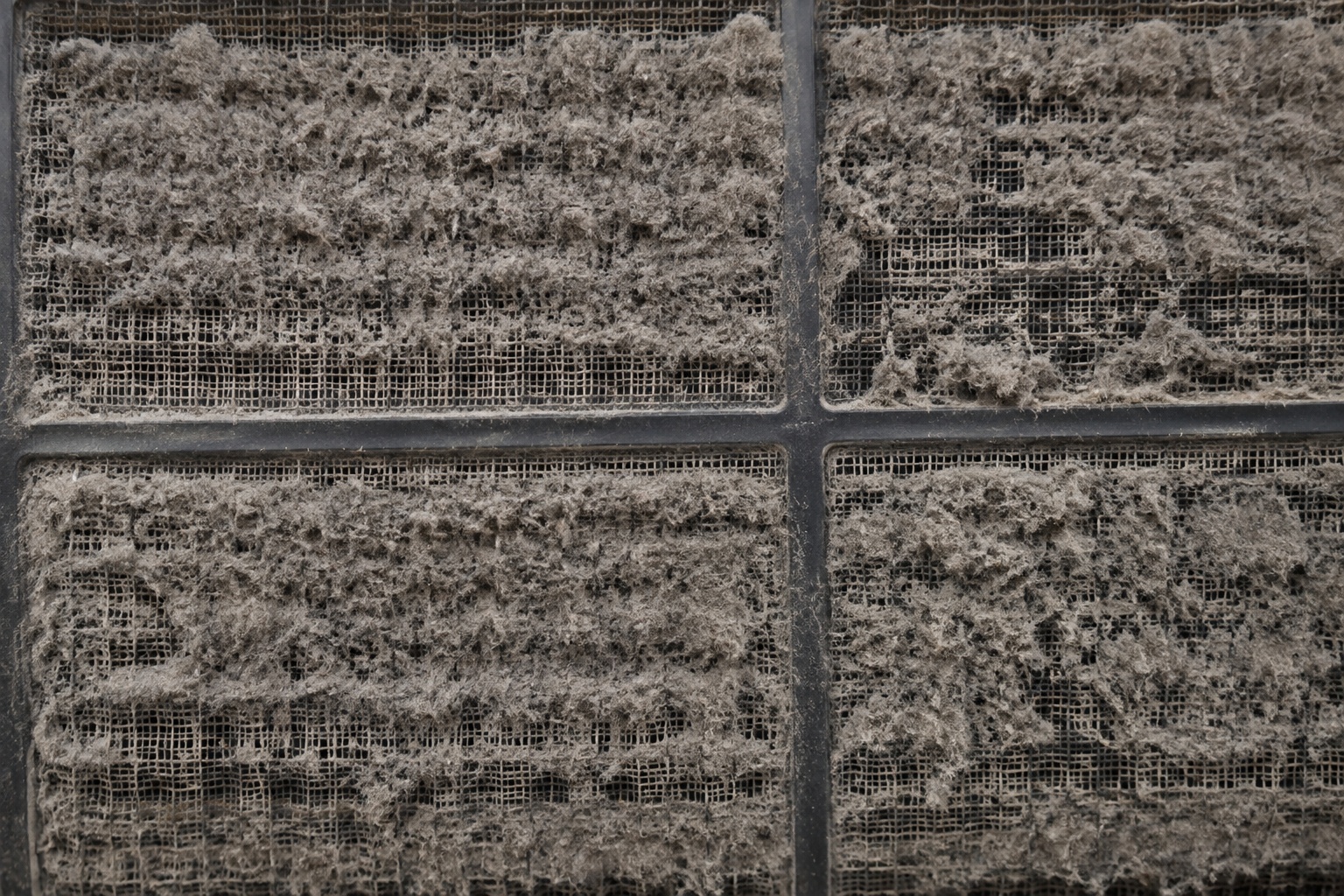
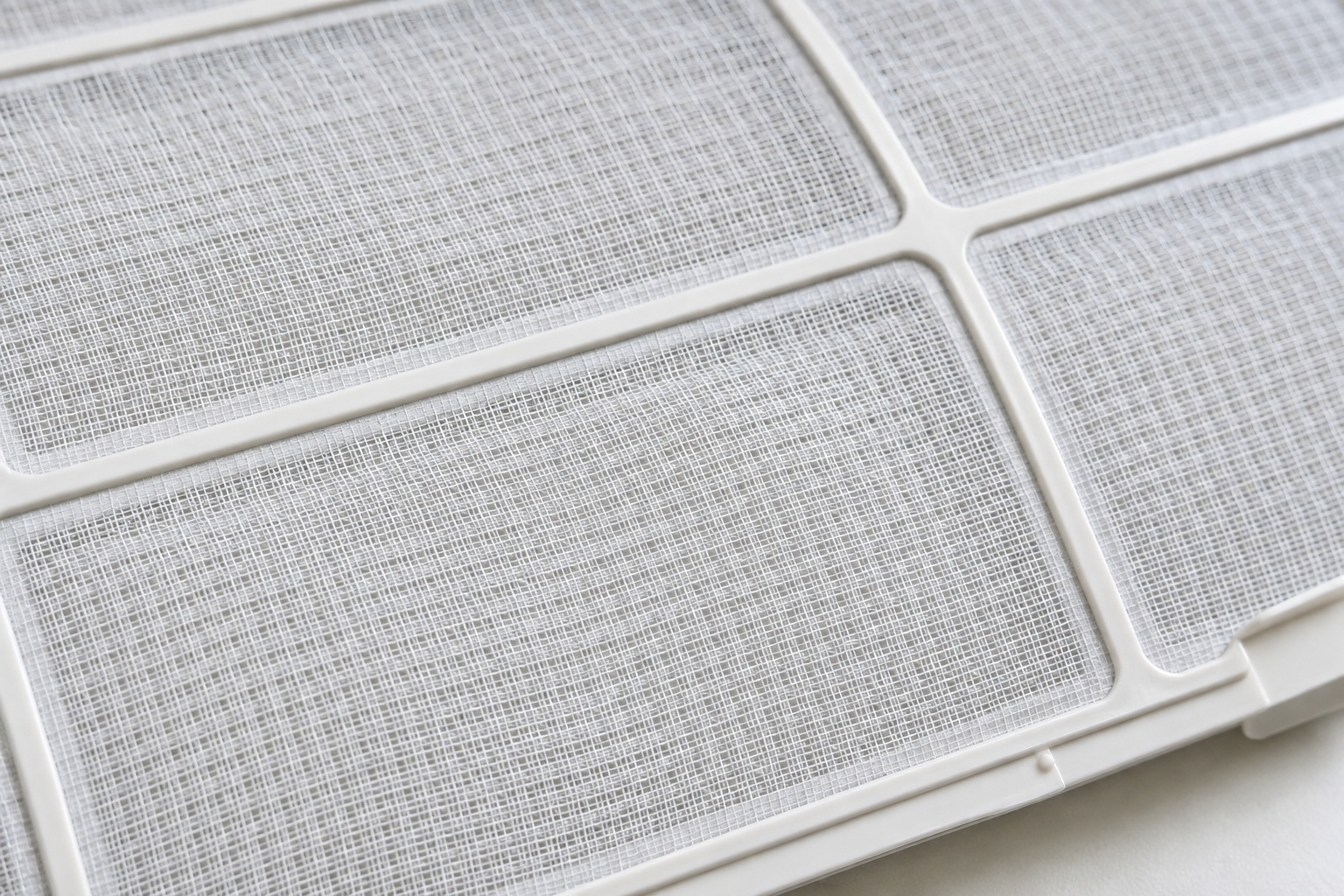
Filter cleaning or replacement. Filters are the first line of defence against the fine dust that Dubai’s air carries into every home. A filter that has been running through a summer of daily use is usually caked enough to cut airflow noticeably. Washable filters are cleaned and dried; disposable ones are replaced. This is the single step with the biggest effect on airflow and the one most often skipped.
Indoor coil cleaning. The evaporator coil inside the indoor unit collects dust that gets past the filter, and because it runs cold and wet it also holds onto that dust as a damp film. A coated coil cannot absorb heat from the room efficiently, so the unit runs longer to reach the set temperature. The coil is cleaned with a purpose-made solution and rinsed rather than brushed dry, which can damage the fins.
Outdoor coil cleaning. The condenser coil on the balcony, roof or side of the building is where the system dumps the heat it has removed from your rooms. Sand, dust and, near the coast, salt deposits settle on the fins and act as insulation. A blocked condenser is a common cause of a compressor running hot and eventually failing. The outdoor coil is cleaned, and the fins are straightened if they have been bent.
Refrigerant pressure check. The gas pressure is measured with gauges against the manufacturer’s expected range. If it is within range, nothing is added. If it is low, that points to a leak somewhere in the system, so the technician looks for the leak first and tops up only once the cause is understood. A top-up on every visit is a sign of a leak being ignored, not of good maintenance.
Drainage and condensate line check. Dubai’s humidity means indoor units pull a lot of water out of the air, and all of it has to leave through the condensate drain. Dust and biological growth clog these lines over time, which is how water ends up dripping from the unit or staining the ceiling. The line is flushed and the drain tray checked so water leaves the unit the way it is meant to.
Thermostat and electrical connection check. Loose terminals, worn capacitors and thermostats that read a few degrees off all cause the system to behave oddly without failing outright. The technician tests the thermostat against the actual room temperature, checks the contactor and capacitor, and tightens any connections that have worked loose from years of vibration.
General inspection. Finally, the unit is checked for the early signs of trouble that do not yet show up as a fault: a fan motor that sounds slightly rough, insulation on the refrigerant lines that has perished in the sun, a mounting bracket that has corroded, or a compressor that draws more current than it should. Catching these on a routine visit is far cheaper than dealing with them after a breakdown.
Split vs. central AC: what changes in the service
Most Dubai apartments run wall-mounted split units, with one indoor unit per room and a shared or individual outdoor condenser on the balcony or building exterior. Many villas, larger apartments and older buildings instead use central or ducted systems, where a single air handler cools air and pushes it through ductwork to grilles in each room, with a condenser sitting on the roof or in a plant area.
For a split system, the service is unit by unit. Each indoor unit is opened, its filter and coil cleaned and its drain flushed, and then the matching outdoor unit is serviced. It is straightforward to access, and problems are usually isolated to a single room.
A central system needs a different approach. The air handler, often in a ceiling void or a dedicated cupboard, houses the main filter bank, the evaporator coil and the blower, and reaching it may involve access panels rather than a wall unit that opens by hand. The condenser is typically a larger rooftop unit. The ductwork itself is part of the system, so the technician also checks the accessible sections of ducting, the grille dampers and the return air path, since a fault in any of those affects every room at once. Because a central system serves the whole property, the consequences of a neglected service are broader, and the visit takes longer.
Why servicing matters more in Dubai’s climate
Dubai’s combination of fine airborne dust, near-constant AC runtime for most of the year, and summer peaks well above 40°C puts far more strain on a system than the same unit would face in a milder climate. Dust and sand accumulate on coils and filters faster here, reducing airflow and forcing the compressor to work harder just to hold a room at temperature. Left unaddressed, that extra strain is what turns a routine service item into a full breakdown, usually during the exact stretch of summer when losing cooling for even a day is hardest to live with. Scheduling maintenance before and during peak season is the difference between a planned service visit and an emergency call.
Three things about Dubai in particular stress an AC system in ways that generic advice written for cooler countries does not account for.
Near-constant runtime. In much of the world an air conditioner runs for a few months and then sits idle. In Dubai, most systems run daily from roughly April to October, and many keep running at a lower level through the cooler months. That means a unit here accumulates in a single year the operating hours that a unit elsewhere might take three or four years to reach. Wear on the compressor, fan motors and capacitors follows the hours, not the calendar, so service intervals need to follow the hours too.
Sand and dust intake. The dust in Dubai’s air is fine and constant, and it spikes sharply during shamal winds and sandstorms. Outdoor condensers on balconies and rooftops take the full brunt of it, and even indoor units pull in more particulate than filters designed for cleaner air are meant to handle. The result is coils and filters that clog in months rather than years.
Coastal humidity. Along the coast, from Dubai Marina and JBR through Palm Jumeirah and Jumeirah, the air carries both moisture and salt. Humidity means indoor units produce more condensate, which puts more load on drain lines and encourages mould growth on wet coils and in drain trays. Salt settles on outdoor coils and accelerates corrosion of the aluminium fins and copper tubing, which is why condensers in coastal towers often age faster than identical units a few kilometres inland.
Signs your AC needs attention now, not at the next scheduled service
Some faults can wait for the next planned visit. Others are worth a call today, because they tend to get more expensive the longer they run.
- Weak airflow from the vents. Usually a clogged filter or coil, sometimes a failing blower motor. Either way the unit is working harder than it should to move less air.
- Warm or barely cool air despite a low thermostat setting. Often low refrigerant from a leak, a blocked condenser, or a compressor that is struggling. Running the unit in this state risks compressor damage.
- Unusual noise. Rattling, grinding, squealing or a loud hum that was not there before points to a fan bearing, a loose component or a motor on its way out.
- Water dripping or leaking from the indoor unit. Almost always a blocked condensate drain, occasionally a frozen coil thawing. Left alone it damages ceilings, walls and flooring.
- A higher-than-usual electricity bill with no change in use. A system that has lost efficiency runs longer to do the same job, and the meter shows it before anything else does.
- A musty or stale smell when the unit starts. This usually means mould or bacterial growth on a damp coil or in the drain tray, which a coil clean resolves. In a ducted system, the same smell can also mean the ductwork itself is overdue for cleaning, which is a separate service from a maintenance visit.
If you notice any of these, a same-day visit is usually the cheaper option compared with waiting for the fault to develop into a full failure.
How often should AC be serviced in Dubai?
The honest answer is that it depends on how hard the system works, and in Dubai that is harder than almost anywhere else. Manufacturer guidance written for seasonal climates typically assumes a system that runs a few months a year, and a single annual service matches that pattern. A Dubai system does not fit that pattern.
As practical guidance, a full service before the heat arrives in spring, so the system enters summer with clean coils, correct gas pressure and clear drains, is the minimum. A second visit later in the year makes sense for systems that run heavily, for properties near the coast, and for homes with young children, elderly residents or anyone with respiratory sensitivity, where clean coils and filters matter for air quality as well as cooling. Between visits, filters are worth checking yourself every month or two during summer and after any dust storm; a filter that looks grey when held up to the light is ready for a clean.
Urgent AC breakdown support across Dubai
AC failure in Dubai is rarely a minor inconvenience, so we treat breakdown calls as urgent rather than booking them into the next available slot. When a unit stops cooling, message us on WhatsApp and we’ll route your job to the earliest available partner technician — including evenings and weekends where one is free — instead of holding you until the next working day. This covers homes and buildings across Dubai Marina and the wider city, so residents in high-rise towers and villa communities alike get the same handling regardless of neighbourhood.
When you message, include your area, the type of system if you know it, and what the unit is doing. That lets the technician bring the right parts and gauges on the first trip rather than diagnosing on site and returning later.
AC duct cleaning as a companion service
Routine AC maintenance keeps the unit itself running well, but ducted systems also benefit from periodic AC duct cleaning to clear dust buildup inside the ductwork itself — something a standard maintenance visit doesn’t reach. If your system runs through ducting rather than standalone split units, ask about pairing a maintenance visit with a duct cleaning to get the full system, supply lines included, properly serviced.
Frequently asked questions
- How often should AC be serviced in Dubai?
- More often than in a temperate climate, because most systems here run nearly year-round rather than for a few months. A sensible baseline for a Dubai home is a full service before summer, with a second visit later in the year for units that run heavily. Filters benefit from a check between visits, especially after dust storms or if the property sits near open sand or construction.
- Is emergency AC service available, or only during the day?
- AC breakdowns rarely wait for office hours, so we route urgent calls out to our partner technicians as soon as we get them, including evenings and weekends where a partner is available. Message us on WhatsApp with your location and a short description of the fault and we'll get the earliest technician we can find dispatched, rather than booking you in for the next working day. Routine, non-urgent maintenance is scheduled during normal hours at a time that suits you.
- Do you service both split and central AC systems?
- Yes. Wall-mounted split units in apartments and ducted or central systems in villas and larger properties are both covered. The visit is planned around the system type, because a split unit is serviced at its indoor and outdoor units while a central system involves the air handler, ductwork access points and plant equipment.
- What is included in a routine AC maintenance visit?
- Filter cleaning or replacement, cleaning of the indoor evaporator coil and outdoor condenser coil, a refrigerant pressure check with a top-up only if the level is actually low, clearing and testing of the condensate drain line, a check of the thermostat and electrical connections, and a general inspection of the unit for early signs of faults such as worn fan bearings or damaged insulation.
- How long does a service visit take?
- A routine service on a single split unit is usually completed within an hour or so, depending on how much dust has built up on the coils. Apartments with several units, or villas with a central system, take longer because each indoor unit or air handler is serviced in turn. We confirm an estimated duration when you book so you can plan around the visit.
- Do you cover Dubai Marina and other coastal areas?
- Yes. Dubai Marina, JBR, Palm Jumeirah and other waterfront neighbourhoods are covered, along with the wider city. Coastal properties tend to need closer attention to outdoor condenser coils because salt-laden humidity accelerates corrosion, so technicians working in those areas check the condenser more carefully during every visit.
Areas we cover for this service
Area pages with building-type notes, local pricing and availability for that community.