Carpet Cleaning in Dubai
Dubai's dust, sand, and year-round AC use pack grit deep into carpet fibers faster than most homes expect. Our carpet cleaning service uses professional steam-extraction equipment to lift embedded dirt, allergens, and stains from wall-to-wall carpets, while Persian and specialty rugs get a gentler, hand-finished approach built around their materials.
Deep steam cleaning for wall-to-wall carpets
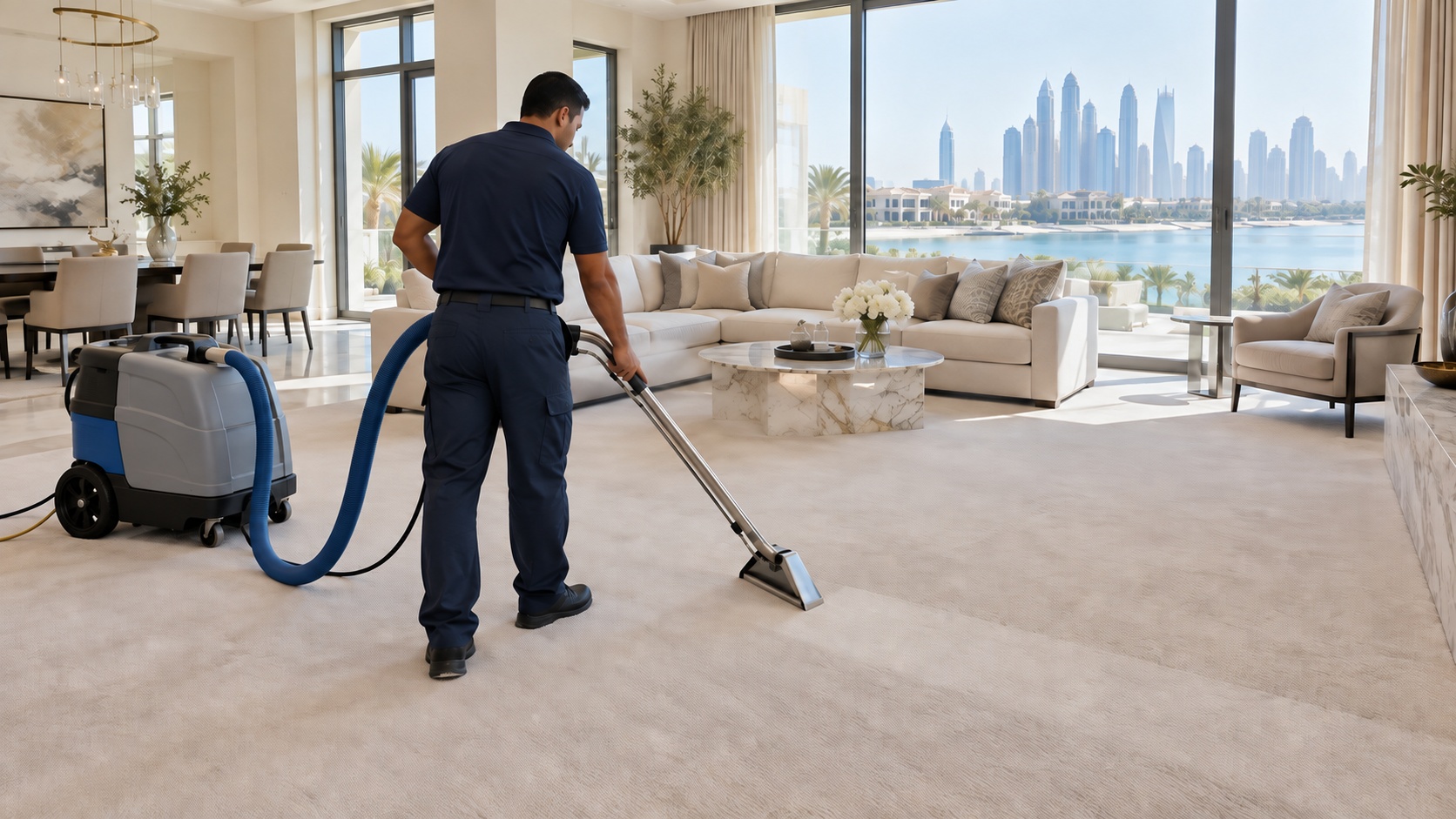
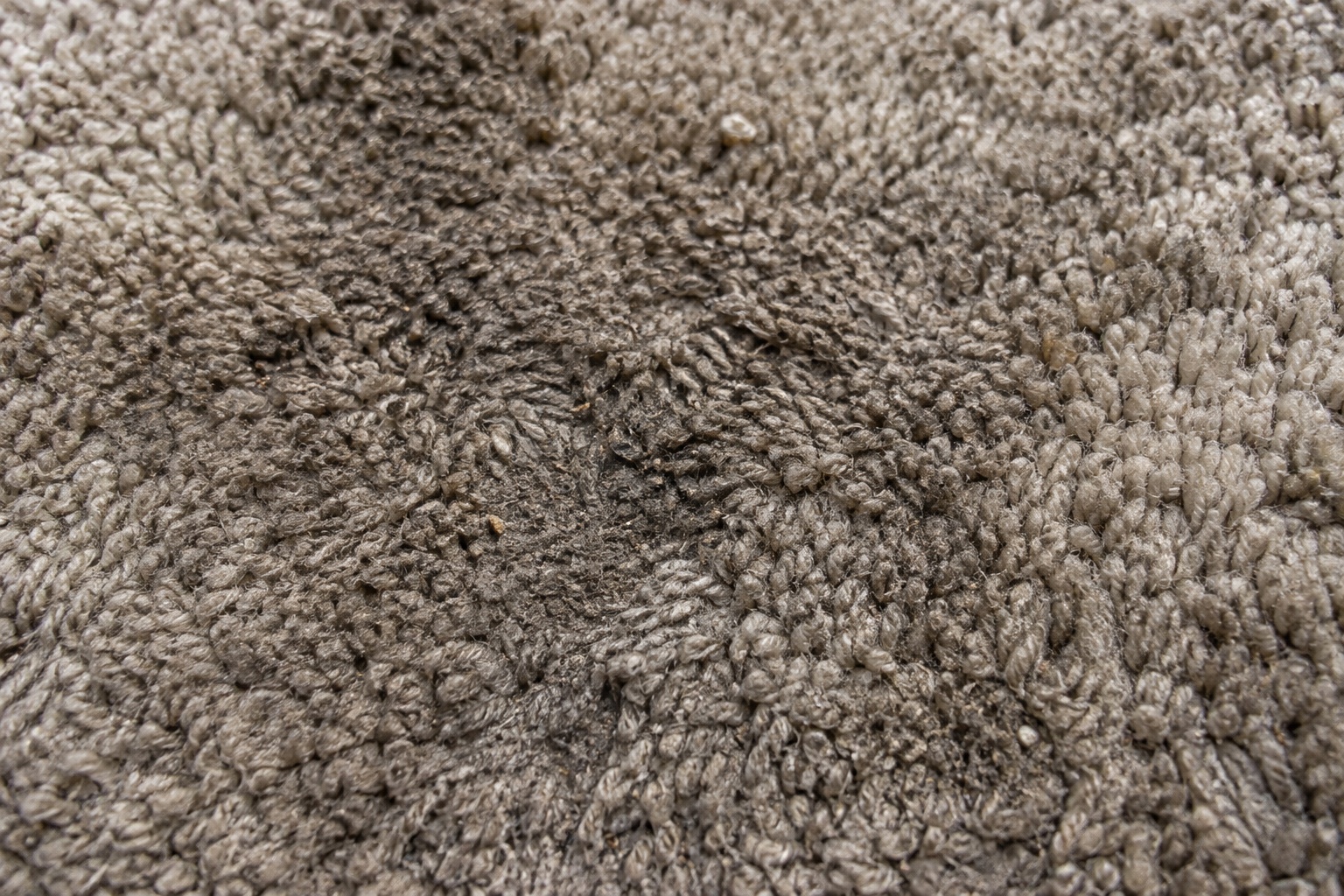
Carpet steam cleaning, properly called hot-water extraction, is the standard method for fitted wall-to-wall carpet in Dubai villas and apartments. Pressurized hot water and a cleaning solution are injected into the pile and immediately drawn back out by a powerful vacuum, along with the loosened dirt, oils, and allergens. Because the water reaches the base of the fibers rather than just the surface, it lifts out the fine sand and dust that Dubai homes accumulate in a way that vacuuming or dry-foam shampooing simply can’t.
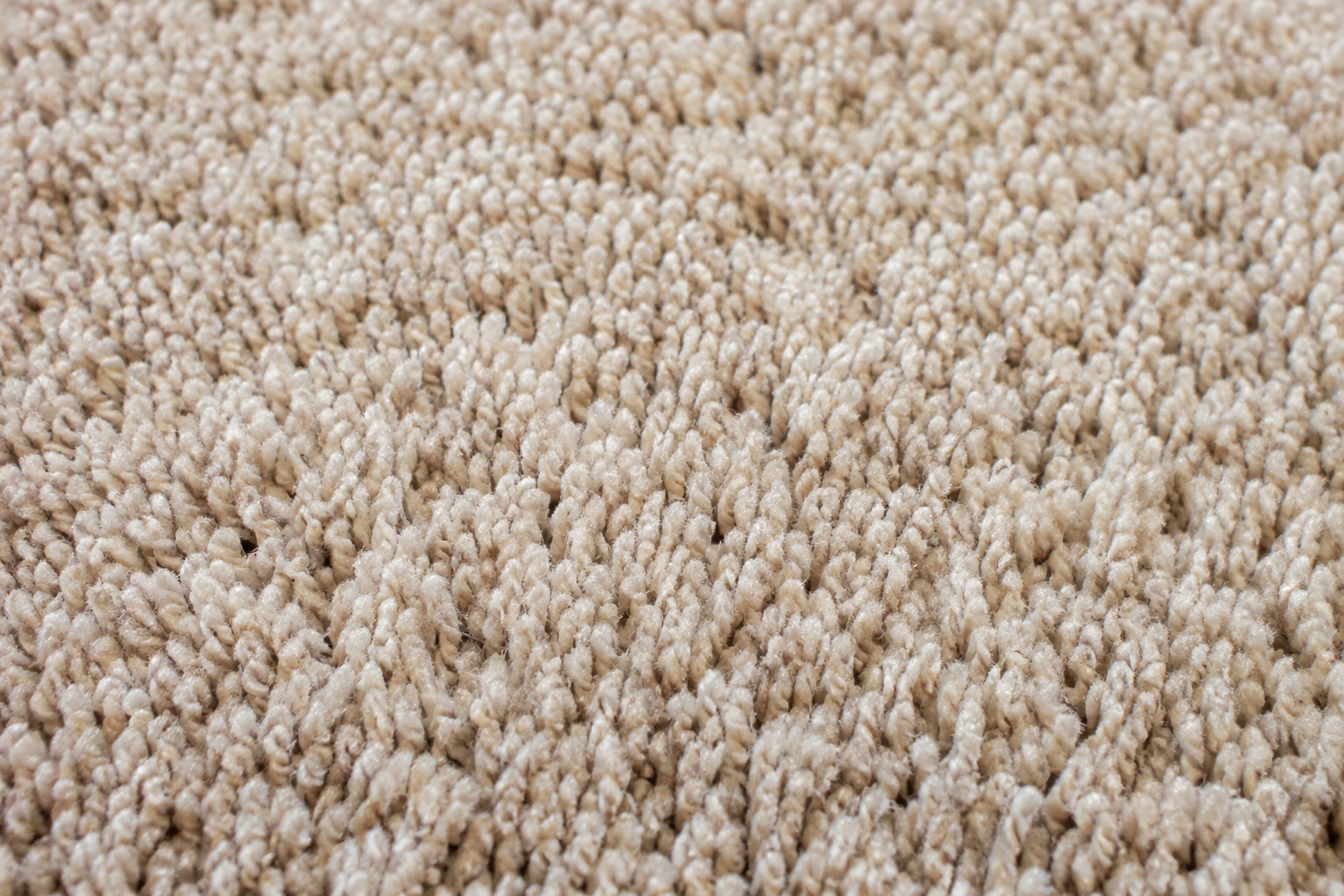
This approach works well for synthetic and wool wall-to-wall carpets, and it’s the right method for tackling ground-in sand, pet dander, cooking residue, and general household traffic wear. The result is carpet that looks brighter, feels softer underfoot, and smells noticeably fresher, with the pile restored rather than flattened.
The cleaning process, step by step
Here is what actually happens during a wall-to-wall carpet cleaning visit, so you know what to expect from the technician.
1. Pre-vacuum. Every job starts with a thorough dry vacuum using a commercial upright machine. This removes loose grit, sand, hair, and surface dust before any water is introduced. Skipping this step is the single most common reason a carpet clean gives poor results, because wet grit turns into mud inside the pile.
2. Pre-treatment of stains and traffic lanes. High-traffic areas, such as hallways, the path from the sofa to the kitchen, and the space in front of doorways, get a pre-spray that begins breaking down oils and embedded soil. Individual stains are treated with a product matched to what caused them. The pre-treatment is given a few minutes of dwell time to work before extraction.
3. Hot-water steam extraction. The technician then works across the full carpet in overlapping passes with an extraction wand, injecting hot water and solution and drawing it straight back out. The overlapping pattern makes sure no strip is missed and that moisture is spread evenly rather than concentrated in patches.
4. Edge and corner detail work. The areas along skirting boards and in corners are where dust collects most heavily and where a wide wand can’t reach. These are cleaned separately with a smaller detail tool so the edges match the rest of the room instead of standing out as a darker band.
5. Final grooming pass. Finally, the pile is groomed with a carpet rake or brush to lift the fibers upright and set them in one direction. This speeds up drying, removes wand marks, and gives the carpet a uniform, freshly laid appearance.
Wall-to-wall carpet vs. area rugs
Fitted wall-to-wall carpet is always cleaned in place. It can’t be lifted without damaging the gripper strips and underlay, so the whole process, from pre-vacuum to grooming, happens in the room, and the carpet is left to dry where it lies.
Area rugs give you more flexibility. Machine-made and synthetic rugs, and most robust wool rugs in good condition, can be cleaned in place on the same visit as your carpets. The rug is cleaned on top of a protective barrier so moisture doesn’t reach the floor beneath, and it is dried flat before it’s put back.
For some rugs, though, in-place cleaning is the wrong choice. Rugs that are heavily soiled, that have a stain which has soaked through to the backing, or that are made from delicate or dye-sensitive materials are often better collected and cleaned off-site. Away from the home, the rug can be dusted thoroughly from both sides, washed with full control over water temperature and moisture, and dried flat in a controlled space rather than in a lived-in room. It is then returned once fully dry. If you are unsure which option suits your rug, sending a photo and rough dimensions on WhatsApp is enough for us to advise.
Persian & specialty rug cleaning
Persian, Iranian, Afghan, Turkish, and other hand-knotted specialty rugs are common in Gulf homes, and they need a genuinely different process from a fitted wall-to-wall carpet. The same hot-water extraction that is perfectly safe on synthetic carpet can do lasting harm to a hand-knotted rug, and understanding why comes down to how these rugs are made.
Hand-knotted construction is more delicate than machine-made carpet. A machine-made synthetic carpet has its tufts locked into a latex or synthetic backing that tolerates heat, pressure, and heavy moisture. A hand-knotted rug has no such backing. Each tuft of the pile is an individual knot tied by hand around the warp threads of a cotton or wool foundation, and the whole structure is held together by tension alone. Aggressive extraction pressure, or the mechanical action of a rotary machine, can loosen knots, distort the foundation, and cause the rug to stretch or lose its shape. The pile is usually wool, sometimes silk or a wool-and-silk blend, and both fibers are far less forgiving of harsh chemistry and high heat than nylon or polypropylene.
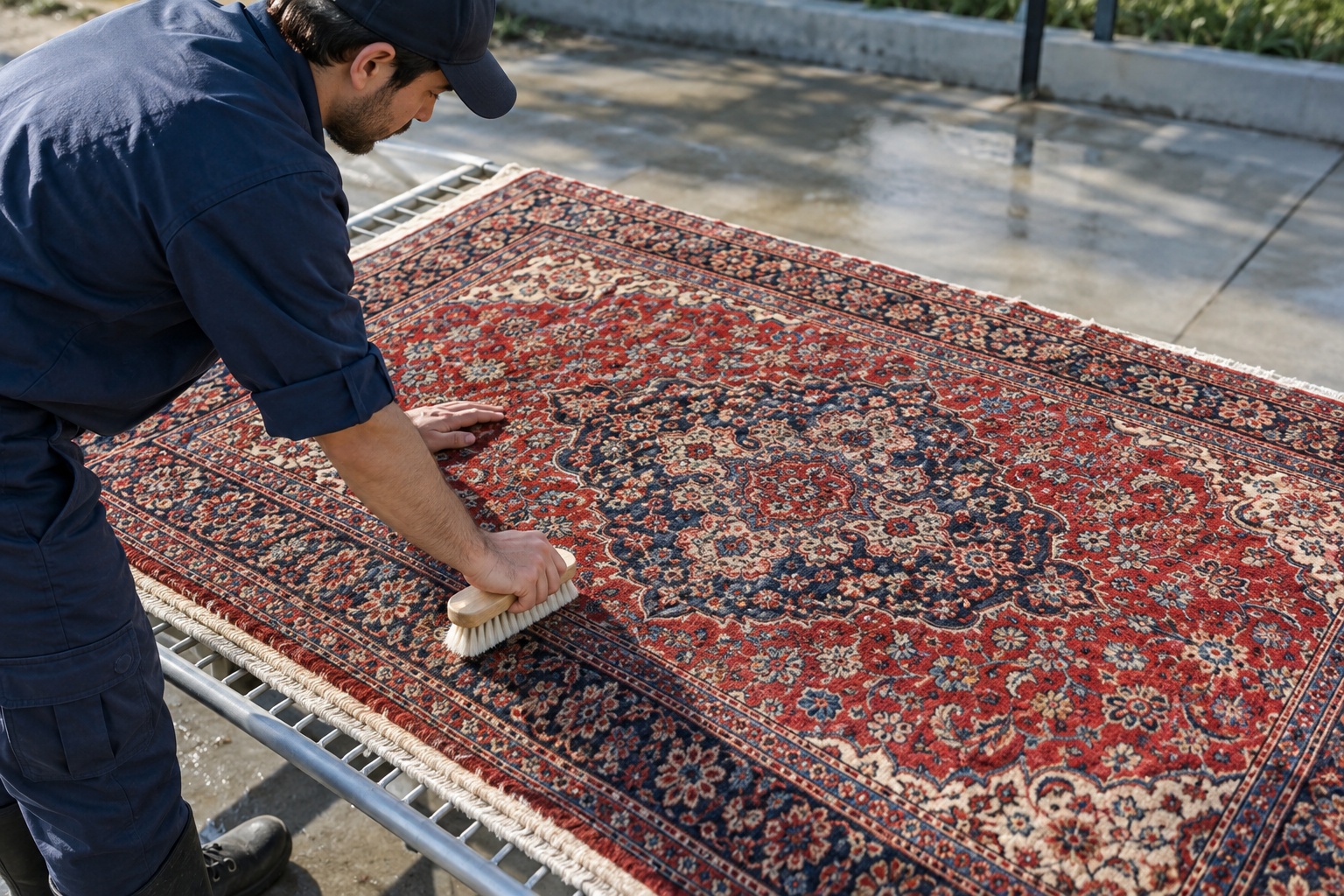
Natural dyes can bleed under heat and heavy moisture. Many Persian and tribal rugs, and almost all older ones, are colored with natural vegetable and mineral dyes. These dyes are what give the rugs their depth of color, but they are also less stable than modern synthetic dyes. Under hot water, alkaline cleaning solutions, or prolonged saturation, a red or navy field can run into a neighboring cream border and leave a permanent pink or blue haze. This is why we never steam-clean a hand-knotted rug. Instead, each rug is tested for dye stability first, then hand-washed using pH-balanced, low-moisture methods with cool or lukewarm water, so the dyes stay where the weaver put them.
Age and provenance matter. An older or antique rug has foundation threads that have been under tension for decades, wool that has become drier and more brittle, and often areas of previous wear or repair. These rugs need extra care at every stage: gentler dusting to remove decades of embedded grit, a lighter hand during washing, careful attention to fringes and selvedges, and slow, flat drying so the rug does not shrink unevenly or develop ripples. If your rug is an heirloom, was bought as an investment piece, or you simply know it is old, mention it when booking so we can schedule the right technician and drying setup.
The hand-wash process still does real cleaning work. It lifts years of dust and sand from deep in the foundation, removes oils and surface grime, and brightens the colors that had been dulled by soil, but it does so in a way that respects the rug’s knot structure and materials. For most owners, the difference in the rug’s appearance and texture after a proper hand-wash is significant.
Common stains and how they’re treated
Most carpet stains respond well when they are treated with the right approach, and the type of stain determines the method.
- Coffee and tea. Both are tannin stains. They are treated with a tannin-specific solution that breaks the bond between the pigment and the fiber before the area is rinsed and extracted. Older tea and coffee stains that have dried and been walked over may need more than one application.
- Wine and juice. These are also tannin-based but often carry more sugar and color. They are pre-treated, agitated gently, and extracted, and on lighter carpets a mild oxidizing treatment may be used to lift any remaining color.
- Pet stains and odor. Pet urine is both a stain and a source of ongoing smell, because bacteria continue to feed on the residue. An enzyme-based product is applied to digest the organic material and neutralize the odor at its source, then the area is thoroughly extracted. If the accident has soaked into the underlay, a deeper flush of that spot may be needed.
- Mud and outdoor dirt. Sand and mud tracked in from the garden, the beach, or a building site should be allowed to dry and vacuumed up before any wet treatment. Once the loose material is gone, the remaining soil is pre-sprayed and extracted like any other traffic lane.
- Grease and oil. Cooking splashes, cosmetics, and oily food stains are treated with a solvent-based spotter that dissolves the oil so the extraction can pull it out.
Fresh stains are always easier to remove than old ones. If something spills, blot it with a clean white cloth rather than rubbing, avoid supermarket stain removers that can set the stain or bleach the fiber, and let us know when booking so the technician arrives prepared.
Drying time and Dubai-specific factors
A common worry with steam cleaning is how long the carpet will stay damp. In Dubai, this is less of a problem than in many other climates, provided a few simple things are done.
Air conditioning helps. Running AC dehumidifies the air as well as cooling it, and dry moving air is exactly what a wet carpet needs. In an AC-cooled room, a steam-cleaned wall-to-wall carpet is usually dry to the touch within a few hours and fully dry by the same evening or the following morning. This is considerably faster than carpets dry in humid climates without AC, where drying can drag on for a day or more and increase the risk of a musty smell.
Ventilation during the drying window. Keeping the AC on and, where practical, a fan running in the room speeds up the process. Opening windows in the cooler months can help too, though in summer the outside humidity often does more harm than good, so keeping the room sealed and cooled is the better choice.
Carpet density and pile height. A thick, dense, high-pile carpet holds more water than a short commercial loop pile and will take longer to dry. Rooms with poor airflow, such as a closed guest bedroom with the AC off, will also lag behind the rest of the home. The technician will tell you which rooms need the most attention.
During drying, keep foot traffic to a minimum, avoid placing furniture back onto damp carpet, and leave any protective foil or blocks under furniture legs in place until the carpet is fully dry, so wooden or metal feet don’t leave marks.
Commercial and office carpet cleaning
We also handle office and commercial carpet cleaning for Dubai businesses, including open-plan offices, reception areas, meeting rooms, corridors, and retail spaces. Commercial carpet takes far heavier traffic than a home, and the entrance lanes and paths between desks show it first. We schedule work outside operating hours, in the evening or over the weekend, so the carpet is dry before staff or customers return, and larger floor plates can be split across more than one visit. Regular quarterly or half-yearly cleaning keeps a commercial carpet looking presentable and extends its life considerably compared to leaving it until it looks worn.
Indicative pricing
Carpet cleaning pricing in Dubai is typically quoted per room or by total carpeted area, since jobs range from a single bedroom carpet to a full villa’s wall-to-wall flooring. As an indicative range, expect standard steam cleaning to start from a modest per-room rate, with Persian and specialty rug cleaning priced separately based on size, material, and condition. Heavily stained carpets, pet odor treatment, and rugs collected for off-site hand-washing are quoted individually. Get an exact quote by sharing your carpet size, the number of rooms, and rug details on WhatsApp.
Frequently asked questions
- How often should carpets be cleaned in Dubai's dusty climate?
- For most Dubai homes, a professional deep clean every 6 to 12 months keeps wall-to-wall carpet in good condition. Homes with pets, young children, or rooms that open onto a garden or balcony tend to sit at the 6-month end, because fine sand and dust settle into the pile far faster than in milder climates. Regular vacuuming in between visits, ideally twice a week in high-traffic rooms, slows the build-up considerably.
- Is steam cleaning safe for Persian or hand-knotted rugs?
- We don't recommend it, and we don't do it. Hot-water extraction can cause natural dyes to bleed, put strain on hand-tied knots, and leave a dense wool or silk pile damp for too long. Persian and other hand-knotted rugs are instead inspected for dye stability and cleaned with a gentler, low-moisture hand-wash method, then laid flat to dry.
- How long does it take for a carpet to dry after cleaning?
- In most Dubai homes with the AC running, a steam-cleaned wall-to-wall carpet is dry to the touch within a few hours and fully dry by the same evening or the next morning. Thick, dense pile and rooms with poor airflow can take longer. Hand-washed rugs that are dried off-site typically take longer because they are dried flat and slowly to protect the fibers.
- Do you clean office or commercial carpets?
- Yes. We clean carpeted offices, reception areas, corridors, and retail spaces across Dubai, and we can schedule the visit in the evening or over the weekend so the carpet is dry before staff or customers return. For larger floor plates we can work in sections over more than one visit.
- Can you remove pet stains and odors?
- In most cases, yes. Pet accidents are treated with an enzyme-based product that breaks down the organic residue causing the smell, rather than just masking it, before the area is extracted. Older stains that have soaked through to the underlay may need a second treatment, and we'll tell you honestly on inspection what result to expect.
- Do you clean rugs in place or collect them?
- Both, depending on the rug. Machine-made and synthetic area rugs are usually cleaned in your home on the same visit as the carpets. Persian, wool, silk, and other delicate or heavily soiled rugs are often better collected, hand-washed, dried flat under controlled conditions, and returned. We'll recommend the right option when you send us a photo on WhatsApp.
Areas we cover for this service
Area pages with building-type notes, local pricing and availability for that community.