Mattress Cleaning Service in Dubai
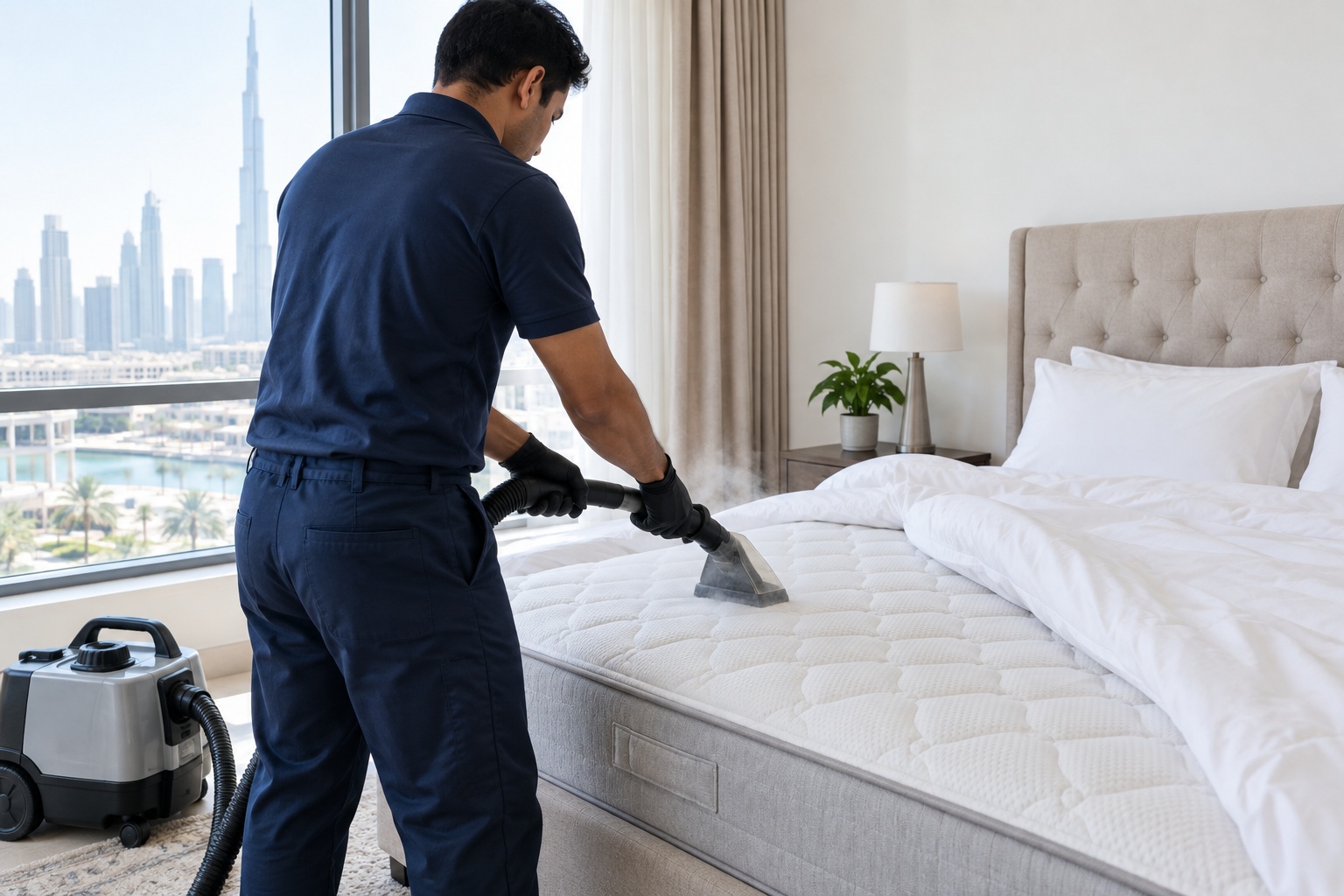
Our mattress cleaning service in Dubai uses hot steam extraction to lift dust, stains, and everyday buildup from your mattress, without soaking the fabric or leaving it damp for days.
What our mattress cleaning service covers
A mattress absorbs sweat, skin cells, and everyday dust long before any of it becomes visible, so by the time stains or a dull, greyed-out surface show up, the mattress has usually gone months without a proper clean. The technician we send uses hot steam extraction equipment to work through the fabric layer, loosening ground-in dust and staining, then draws the moisture and residue back out with a wet vacuum pass. The result is a mattress that looks and feels noticeably fresher without being left soaking wet.
Every visit starts with a check of the mattress fabric and any visible stains, so the technician can adjust steam heat and dwell time to the material rather than running one setting on every job. Edges, seams, and the quilted top panel get worked separately from the flat surface, since that’s where dust and skin-cell buildup tends to concentrate.
If you have been comparing options for a mattress cleaning service in Dubai, the main thing to look for is whether the provider extracts as well as steams. Steam on its own loosens dirt but leaves it, and the moisture, in the fabric. Extraction is the part that actually removes it, and it is also what keeps drying times short enough to sleep on the mattress the same day.
The cleaning process, step by step
Each mattress goes through the same sequence, with the settings adjusted for the material and condition the technician finds on arrival.
1. Vacuum pass. The technician strips the bedding and runs a high-suction vacuum with an upholstery head across the entire surface, including the sides and along every seam and quilting line. This lifts loose surface dust, hair, and debris before any moisture is introduced, so the steam stage is working on what is embedded in the fabric rather than what is sitting on top of it.
2. Hot steam application. A steam wand passes over the mattress surface in overlapping strokes. The heat loosens dried sweat, body oils, and compacted dust that the vacuum could not shift, and softens staining so it can be drawn out rather than pushed deeper. Heat and dwell time are set to the mattress fabric, with lighter settings for delicate or foam-based mattresses.
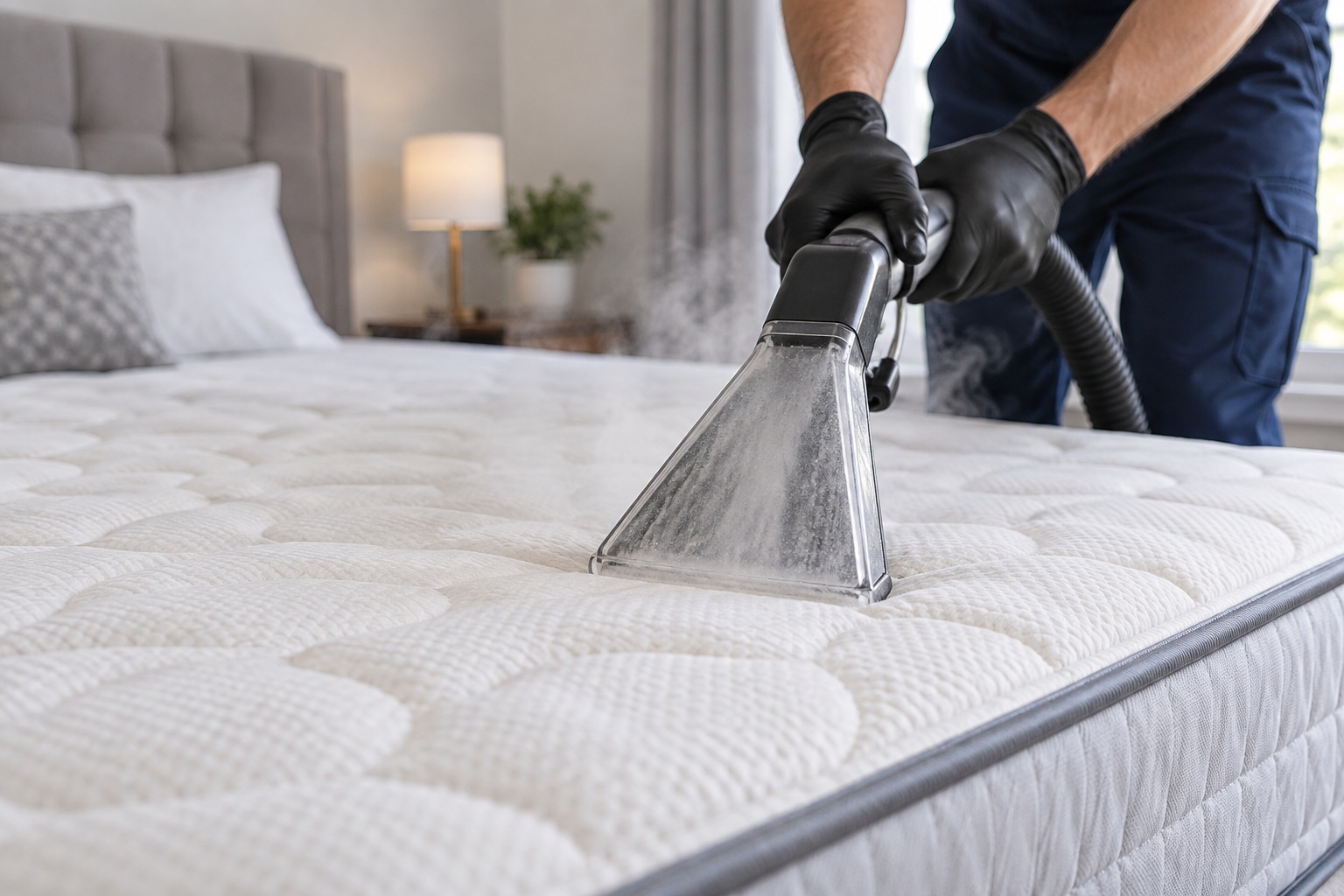
3. Extraction. Immediately after steaming, an extraction head draws the moisture back out of the fabric, carrying loosened dust, skin-cell debris, and dissolved residue with it. This is the stage that does the visible work, and it is also what stops the mattress from staying damp. A single steam pass without extraction leaves both the dirt and the water behind.
4. Spot treatment. Any visible stains that remain after the general pass are worked individually. The technician applies a fabric-safe treatment to the specific area, allows it to dwell briefly, then steams and extracts that spot again. Old or set-in marks may need more than one round, and some will lighten rather than disappear completely.
5. Drying time. The mattress is left uncovered to air. With the extraction pass having removed most of the moisture, a spring or hybrid mattress is usually ready to make up within a few hours in an air-conditioned room. Memory foam and heavily spot-treated areas need longer. The technician confirms the expected window before leaving so you know when the bed can go back into use.
Why mattresses accumulate dust and allergens
A mattress collects more than most people expect simply because of how it is used. An adult sheds a steady amount of dead skin every night, and a measurable portion of that works its way through the sheet and into the mattress fabric. Add sweat, which is significant during Dubai summers even in air-conditioned rooms, and the top layer of a mattress becomes a warm, slightly humid environment with a constant supply of organic material.
That combination is exactly what dust mites thrive in. Mites are not a sign of a dirty home; they are present in virtually every mattress because mattress fabric gives them body heat, moisture, and skin cells to feed on. Over months of nightly use their numbers and the debris they leave behind build up in the fibres, and that debris is what people are usually reacting to when they notice a stuffy nose or scratchy throat after waking. Ordinary household dust settling onto the bed each day adds to the same layer.
Vacuuming the surface helps but does not reach what has settled into the fabric. Steam heat and extraction reduce that accumulated buildup by loosening it and physically drawing it out. To be clear about the limits, a clean does not eliminate allergies, does not kill every mite or microorganism, and is not a medical treatment of any kind. What it does is bring the dust and allergen load in the mattress down substantially compared to one that has never been cleaned, which is why we recommend it alongside hot-wash bedding and regular room ventilation rather than instead of them.
Mattress types and what changes by material
Not every mattress should be cleaned the same way, and the material is the first thing the technician checks.
Spring and hybrid mattresses. These have a coil core with a fabric and padding layer on top, and the padding is usually thin enough that moisture can be extracted efficiently. A standard steam-and-extraction pass works well, drying is relatively quick, and both sides can be cleaned if the mattress is double-sided.
Memory foam and foam-core mattresses. Foam behaves like a sponge. It draws moisture in readily and releases it slowly, so a heavy steam pass can leave water deep in the core where it takes a long time to dry. For these, the technician uses a lower-moisture approach with a lighter steam setting, more time on extraction, and a longer drying window before the mattress is covered. Foam mattresses are cleaned from the top surface only.
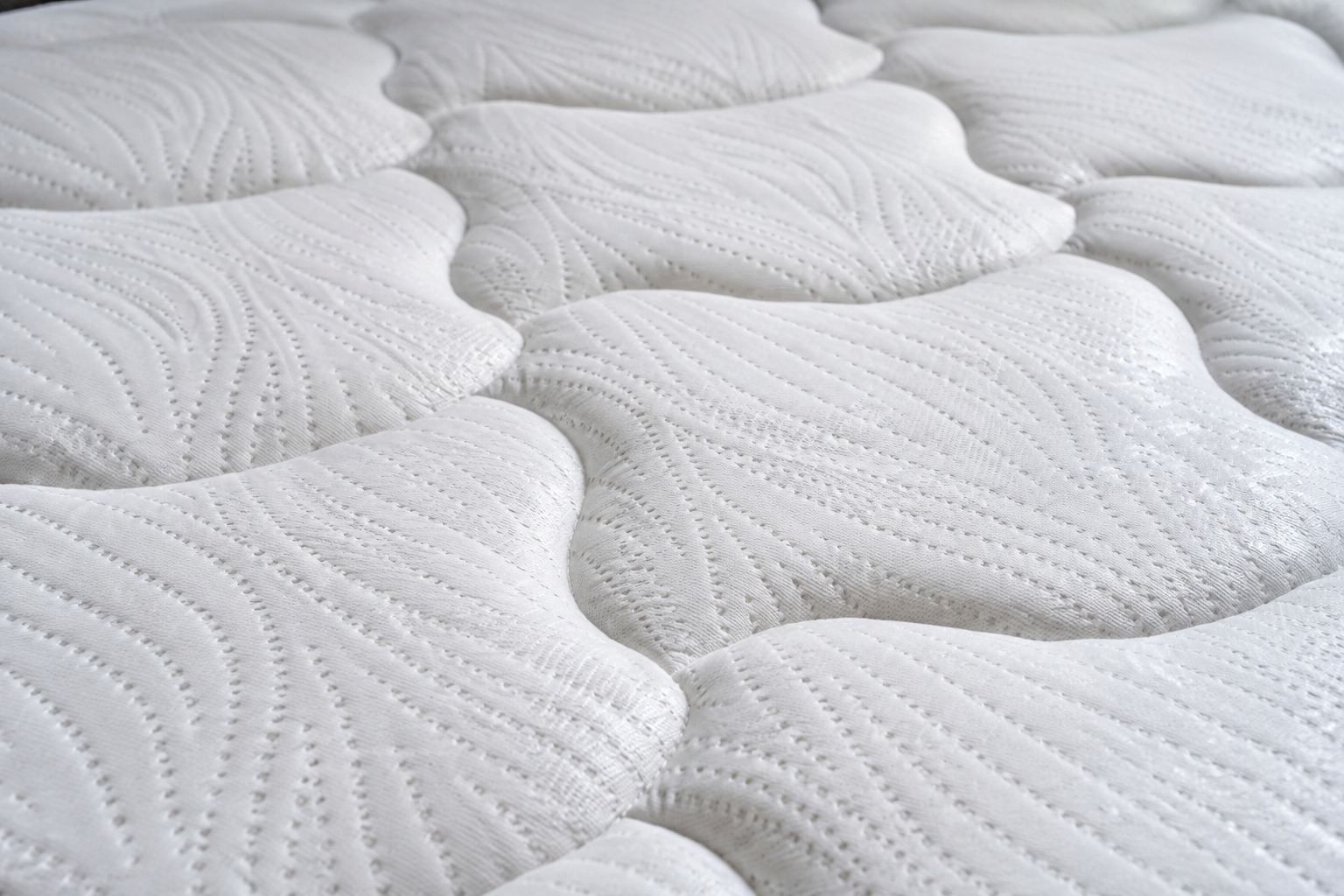
Pillow-top and Euro-top mattresses. The thick quilted top layer holds more dust than a flat surface and tends to trap moisture in the padding. These get extra attention on the vacuum stage and a careful extraction pass to avoid leaving the top layer damp.
If you are not sure what your mattress is made of, the label on the side usually says, or you can describe it when you message us and the technician will plan the visit accordingly.
Stains commonly treated
Most of the staining we see on Dubai mattresses falls into a few categories, and it helps to know what to expect from each.
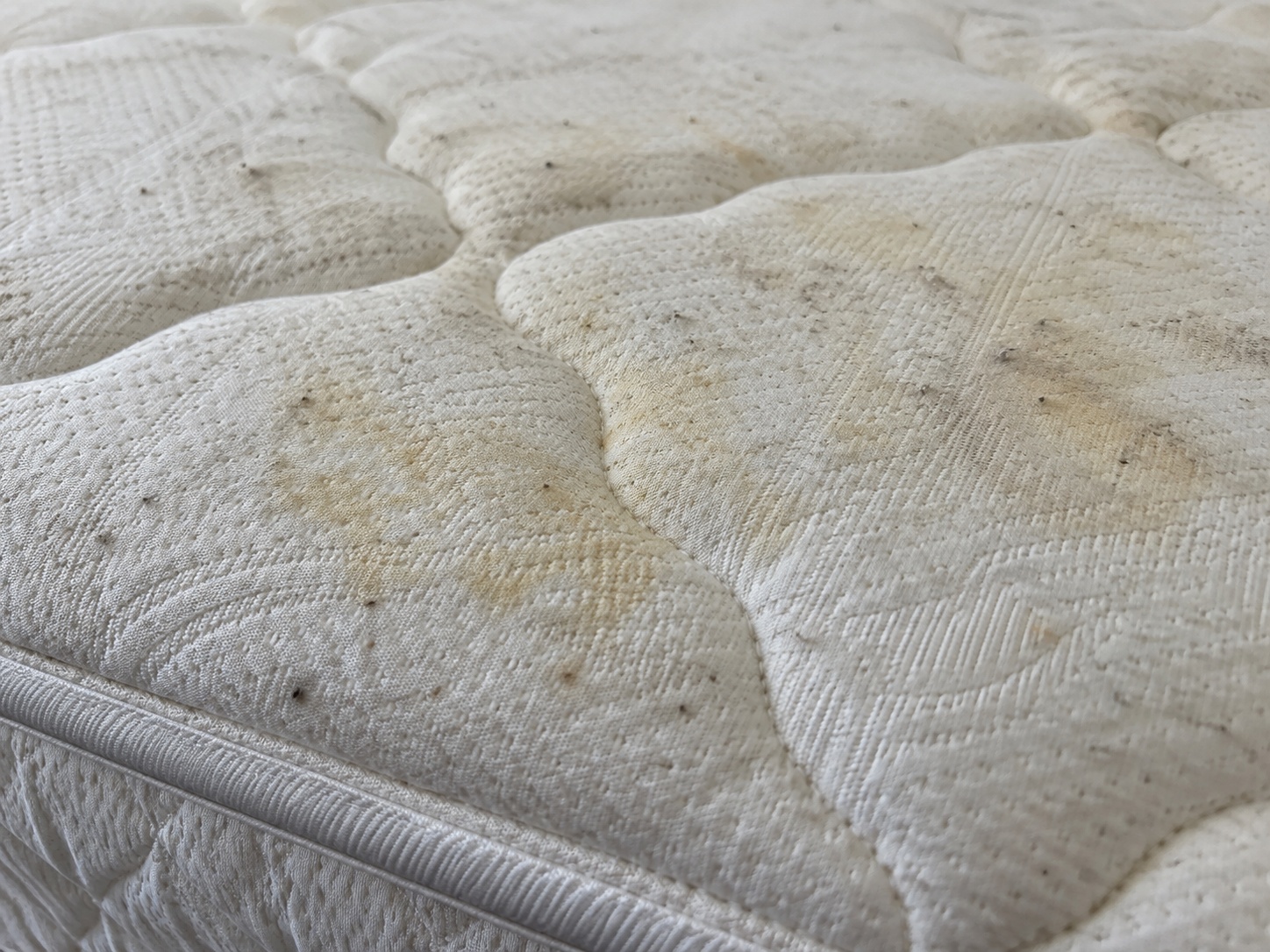
Sweat and body-oil discoloration. This is the most common issue, showing up as yellowish or greyish patches in the areas where the body rests, and it darkens gradually as the oils oxidise. Recent marks respond well to steam and extraction. Older discoloration that has built up over years usually lightens noticeably but may not come out fully.
Minor spills. Coffee, tea, juice, and similar spills are treated with a targeted spot treatment followed by steam and extraction. The sooner they are cleaned after they happen, the better the result. A spill that has been blotted promptly and cleaned within weeks is very different from one that has been sitting for a year.
General yellowing. Mattresses yellow over time even without specific incidents, from the combination of sweat, oils, and ordinary ageing of the fabric. Cleaning brightens the surface, but yellowing that comes from the fabric itself changing colour is not something any cleaning method reverses.
We would rather be straightforward about this than overpromise. The technician assesses stains before starting, tells you which are likely to come out and which may only improve, and treats each area as thoroughly as the fabric allows. A full clean improves the overall look of the mattress considerably even where individual old marks remain faintly visible.
How often a mattress should be professionally cleaned
There is no fixed interval that applies to every household, and we would be cautious of anyone who states one as a guarantee. The right frequency depends on how the mattress is used.
- Household size and sharing. A mattress slept on by two people accumulates roughly twice the skin cells and sweat of one used by a single person, and children’s mattresses tend to see more spills and accidents.
- Allergies in the home. If anyone reacts to dust, keeping the buildup in the mattress low matters more, and cleaning more often is a reasonable step alongside the other measures mentioned above.
- Pets on the bed. Pet hair, dander, and the dust they carry in from outside add to the load quickly, and a mattress that pets sleep on generally benefits from more frequent attention.
- Climate and sweating. Dubai summers mean heavier night sweating even with air conditioning, so a mattress here will typically need cleaning more often than the same mattress would in a cooler climate.
- Mattress protector use. A washable protector catches much of what would otherwise reach the mattress and extends the time between professional cleans.
As a practical starting point, many households find that a professional clean once or twice a year keeps things in check, with bedding washed on a hot cycle regularly in between. Visible discoloration, a stale smell when the sheets come off, or waking up congested more often than usual are all reasonable signs that the mattress is due.
Booking and availability
We run mattress cleaning appointments across Dubai and can usually schedule a visit within the same week of getting in touch. Most single and queen mattresses are done within an hour, with king-size and multiple-mattress bookings taking a little longer — the technician will confirm timing before starting. Message us on WhatsApp with your area, the number of mattresses you’d like cleaned, and the mattress type if you know it, and we’ll confirm a slot that works around your schedule.
Frequently asked questions
- How often should a mattress be professionally cleaned?
- There is no single interval that suits every home. A mattress used by one adult in a cool, well-ventilated room can go longer between cleans than one shared by two people, slept on by pets, or used through a Dubai summer with heavy night sweating. Most households find that a professional clean roughly once or twice a year, with bedding washed on a hot cycle in between, keeps dust and staining from building up to a noticeable level. If anyone in the home has allergies, or if you can see discoloration or notice a stale smell, that is a reasonable signal it is due sooner.
- Does steam cleaning help with dust mites and allergens?
- Steam heat and extraction reduce the dust, dust-mite debris, and skin-cell buildup sitting in the mattress fabric, and that is the honest limit of the claim. A clean does not eliminate allergies, and it will not remove every mite or microorganism from a mattress that is slept on again the same night. What it does is measurably cut down the accumulated load compared to a mattress that has never been treated. Pairing a professional clean with hot-wash bedding, a breathable mattress protector, and regular room ventilation does far more than any single service on its own.
- Is the mattress safe to sleep on the same day?
- In most cases, yes. Because the extraction pass draws most of the moisture back out rather than leaving the fabric soaked, a spring or hybrid mattress cleaned in the morning or early afternoon is usually dry enough to make up by the evening. Drying time depends on the room, the mattress material, and how heavily any stains were treated. The technician will tell you the expected drying window before leaving, and leaving the mattress uncovered with the AC or a ceiling fan running shortens it.
- Can you remove old stains from a mattress?
- Fresh spills and recent sweat marks respond well to steam and spot treatment. Older, set-in stains are a different case. Sweat and body-oil discoloration that has oxidised into the fabric over months or years is often lightened considerably but not always removed entirely, and we would rather tell you that up front than promise a result we cannot guarantee. The technician will look at the stain before starting and give you an honest read on what is realistic.
- Is steam cleaning safe for memory foam mattresses?
- Memory foam can be cleaned, but it needs a different approach than a spring mattress. Foam absorbs and holds moisture readily and dries slowly, so the technician uses a lower-moisture pass with more emphasis on extraction and allows for a longer drying window before the mattress is covered. Tell us the mattress type when you book so the visit is planned around it rather than adjusted on the spot.
- Do you clean mattresses in children's rooms?
- Yes, and children's mattresses are among the most common bookings we take, since they tend to see spills, accidents, and heavier daily use. The process is the same steam-and-extraction method, with the technician paying particular attention to full extraction and drying time. No harsh chemical residues are left in the fabric, and the mattress can go back into use once it is fully dry.